
Present a person without automatically creating an account for them.
Preserve family memories, from faces to stories
Associate each person with a portrait, archive photos, life events and anecdotes. Relationships give the tree its structure; memories give each branch a history.
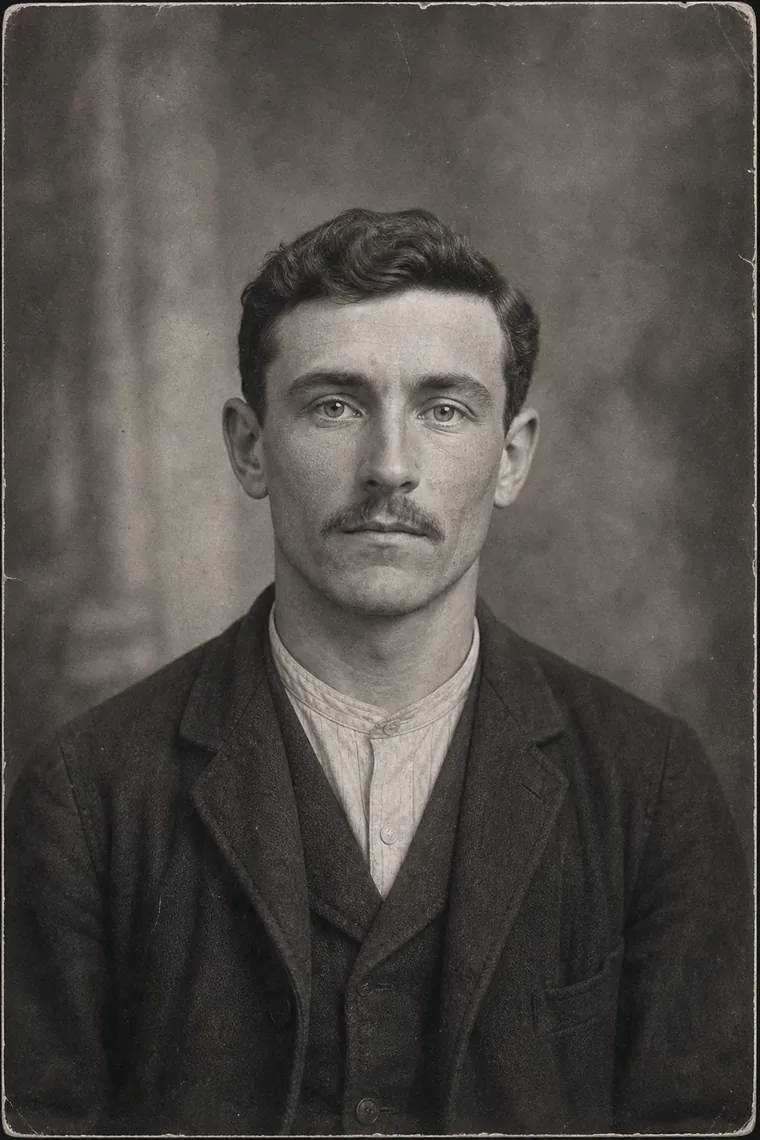
- A facemain portrait and archive photos
- A storybiography, anecdotes and sources
- Clear rightsvisibility and consent preserved
The purpose that connects the features
Dates, but above all faces and stories
The feed preserves the present, the tree connects generations, profiles tell people’s stories, the quiz passes on selected authorised memories and events create new ones.
A name in the tree can thus regain a face and a story.
Preserve an exact or approximate date, a place and an occupation.
State who told the memory and who added it.
Connect a photo to its context and the people pictured.
A fictional example
Two photographs placed in context
An image becomes more useful when the family also preserves its period, location, source, recognised people and degree of certainty.
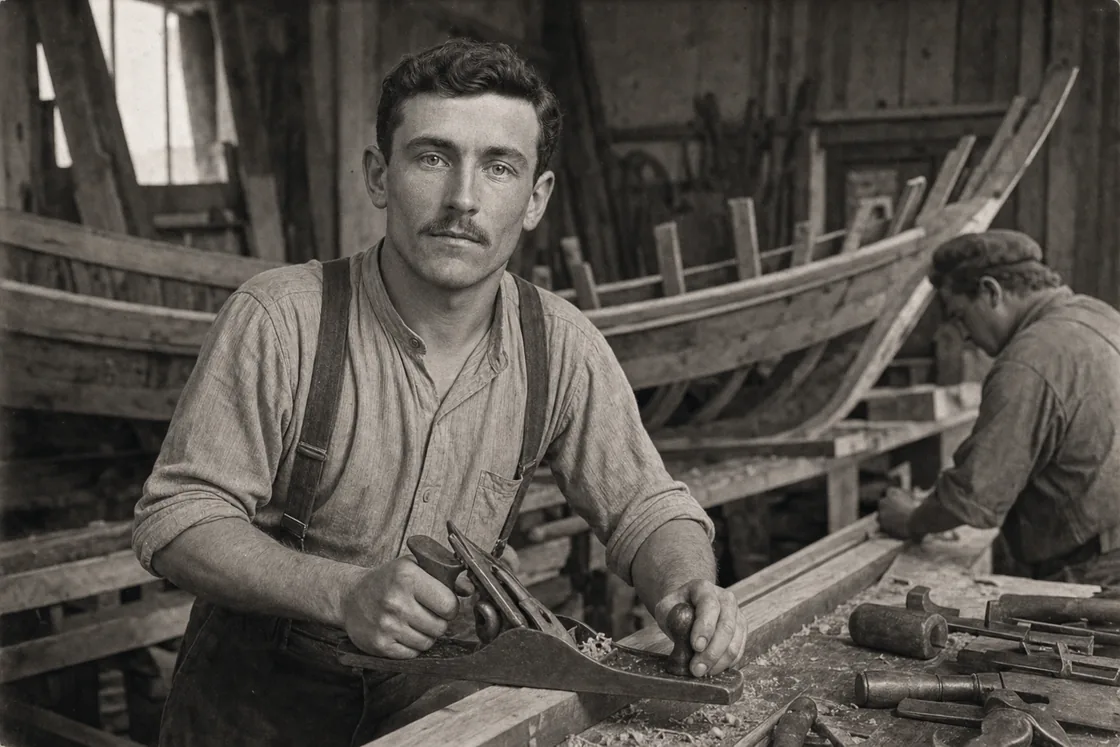
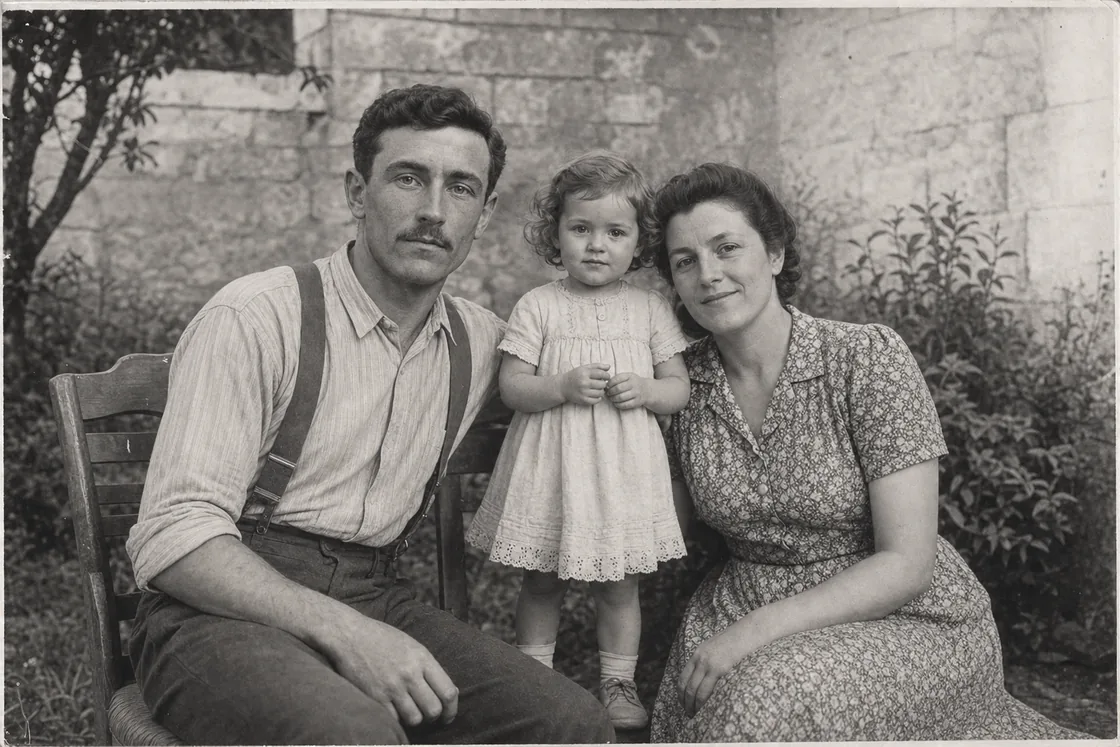
Auguste Moreau, his family, anecdotes and photographs on this page are fictional and created solely to demonstrate the product.
Pass on your own memories
Tell stories today that future generations can find
Everyone can complete their introduction, life events and the anecdotes they wish to share with their family. Memories are therefore not reserved for people who have died.
- Places that mattered along the way.
- An occupation, a recipe or a story often told.
- Photographs documented with their sources.
Pass on without taking control away
Memories respect people and media visibility
Identification grants no additional access. To share, change the source’s audience separately.
A living adult with an account keeps control of their profile and photo identifications. The owner or an administrator can enrich the memories of someone deceased or without an account. Minors retain the protections and permissions already provided.
Legacy identification access
Some older identifications may retain individual access to this photo alone for the identified account, without opening its album or post. This access ends on refusal, removal or explicit revocation; access granted elsewhere remains valid.
Declining or removing an identification removes the tag without deleting the photo. It also removes any legacy access granted through that identification; other access remains valid.
- Document the photo. Documenting a photo does not change its audience.
- Identify people within the photo’s audience. You can identify people within this photo’s audience, with or without an account. An account must already have access to the photo.
- Remove an identification. Declining or removing an identification removes the tag without deleting the photo.
- Find the photo on a profile. An accepted identification may make the photo appear in the person’s photos or memories. Every visitor must still be authorised to view that photo; identification opens neither its album nor its original post.
- Proposals, acceptances, refusals and removals remain logged.
- “Passing on” promises neither automatic digital succession nor unlimited retention.
Connect memories with the product